

What Is Window Film, and How Does It Actually Work?
"Window film" and "window tinting" describe the same thing: a thin, engineered polyester laminate applied to existing glass to change how it handles heat, light and impact. Here's what's inside it, what it can genuinely do, and how to think about it next to the alternatives.
Features & Benefits
- A multi-layer polyester laminate, typically 20–100 microns thick, bonded to the inside of the glass
- Blocks up to 99% of UV and a large share of infrared heat without replacing the window
- Available from virtually clear to heavily tinted — darkness and heat rejection are not the same thing
- Frosted and decorative versions deliver privacy and branding without blocking daylight
- Thicker safety and security grades hold shattered glass together on impact
- Installed in a day on most homes, at a fraction of the cost of new glazing
What the product actually is
Window film is built from layers of optically clear polyester (PET), laminated together and finished with a mounting adhesive on one side and a scratch-resistant hard coat on the other. Between those layers sit the components that do the work: UV absorbers, dyes, ceramic or metal particles, or in the highest-performing films, hundreds of nano-thin optical layers that reflect infrared while passing visible light. It arrives on a roll, is cut to each pane, and is bonded to the inside face of the glass with water and slip solution.
How it controls heat
Sunlight reaching a window is roughly half infrared (felt as heat), a little under half visible light, and a few percent ultraviolet. Solar control film is engineered to reject a high proportion of the infrared and reflect or absorb solar energy before it enters the room, while letting most of the visible light through. That is why a nearly clear premium film can reject far more heat than a dark, cheap dyed tint — heat rejection is a function of the film's construction, not its shade.
Glare, UV and fade protection
Film cuts glare by reducing visible light transmission, which is what makes screens readable in a north-facing room. Separately, quality film blocks up to 99% of ultraviolet radiation, the biggest single contributor to fading in timber floors, rugs, artwork and joinery. UV is not the only cause of fade — visible light and heat also contribute — but removing it dramatically slows the damage.
Privacy, decoration and safety
Reflective and dark films give daytime privacy by making the glass mirror-like from the brighter side. Frosted and decorative films diffuse the view entirely while keeping daylight, which is why they suit bathrooms, meeting rooms and street-level offices. Safety and security films are a different family again: much thicker, with an aggressive adhesive, so that when glass breaks the fragments stay bonded to the film instead of flying into the room.
Film versus replacing the glass
Retrofit double glazing solves heat loss well, but it is a major cost and often a major disruption, and in heritage or strata buildings it may not be permitted at all. Film addresses solar heat gain, glare, UV and safety on the glass you already have, in a single visit, for a fraction of the price. Low-E film sits between the two, improving winter heat retention as well as summer heat rejection.
How long it lasts
Professionally installed 3M film on interior residential glass carries a manufacturer warranty measured in decades, and in practice good film typically outlives the furniture it protects. Cheap dyed film is what gives tinting a bad name — it purples, bubbles and fails in a few Australian summers. The difference is the film construction and the installer, not the price on the day.
Related services
Frequently Asked Questions
Is window film the same as window tinting?
Yes. "Tinting" is the everyday word for applying window film. The film itself does not have to be dark — clear high-performance films are among the best-performing products available.
Does window film go on the inside or the outside?
Almost always the inside face of the glass, which protects the film from weather and physical damage. Exterior-grade films exist for situations where interior access is impossible or the glass type requires it.
How much heat does window film block?
It depends on the film. Premium multi-layer solar films reject up to around 97% of infrared heat, while entry-level films reject considerably less. We match the film to the orientation and glass type of each window rather than applying one product everywhere.
Does window film block UV?
Quality film blocks up to 99% of UV radiation, which is the main driver of fading in floors, furniture and artwork.
How long does installation take?
Most Melbourne homes are completed in a single visit of four to six hours. Larger commercial jobs are staged around trading hours.
Related resources
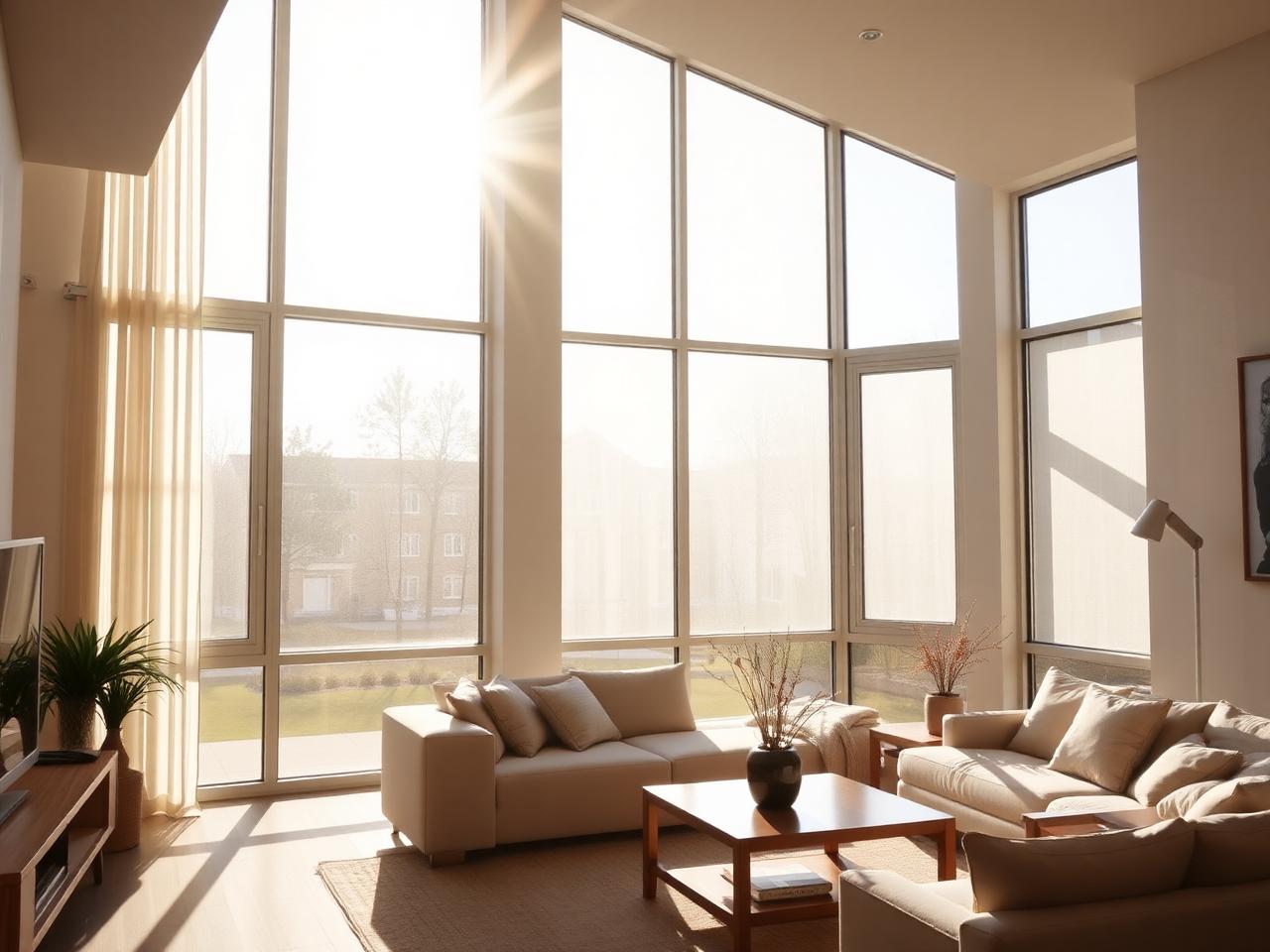
Window Film vs Double Glazing
Comparing cost, installation time and thermal performance of 3M All-Season window films versus double-glazing retrofits for Melbourne homes.

Will Window Tinting Affect My WiFi, Mobile Signal or TV Reception?
The straight answer on whether window film blocks WiFi, mobile or TV reception — and why non-metallised 3M film behaves differently to older metallised films.
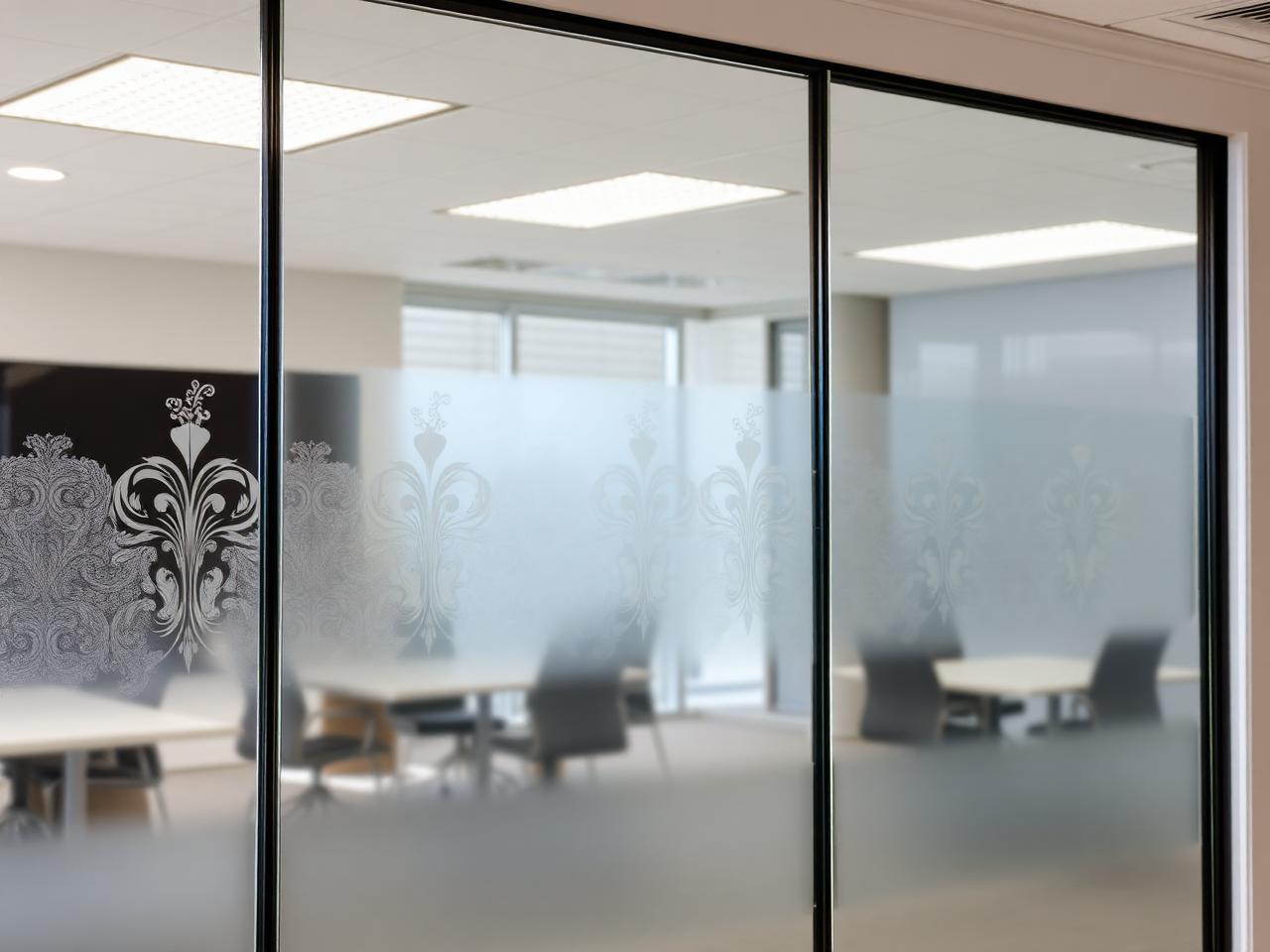
One-Way vs Frosted Film
One-way (reflective) film and frosted (decorative) film both add privacy — but they work in very different ways. Here's when to choose each for Melbourne homes and offices.
Get Your Free Assessment Today
No pressure, no commissioned salespeople, just transparent advice from Melbourne's 3M Platinum Select Partner experts.