

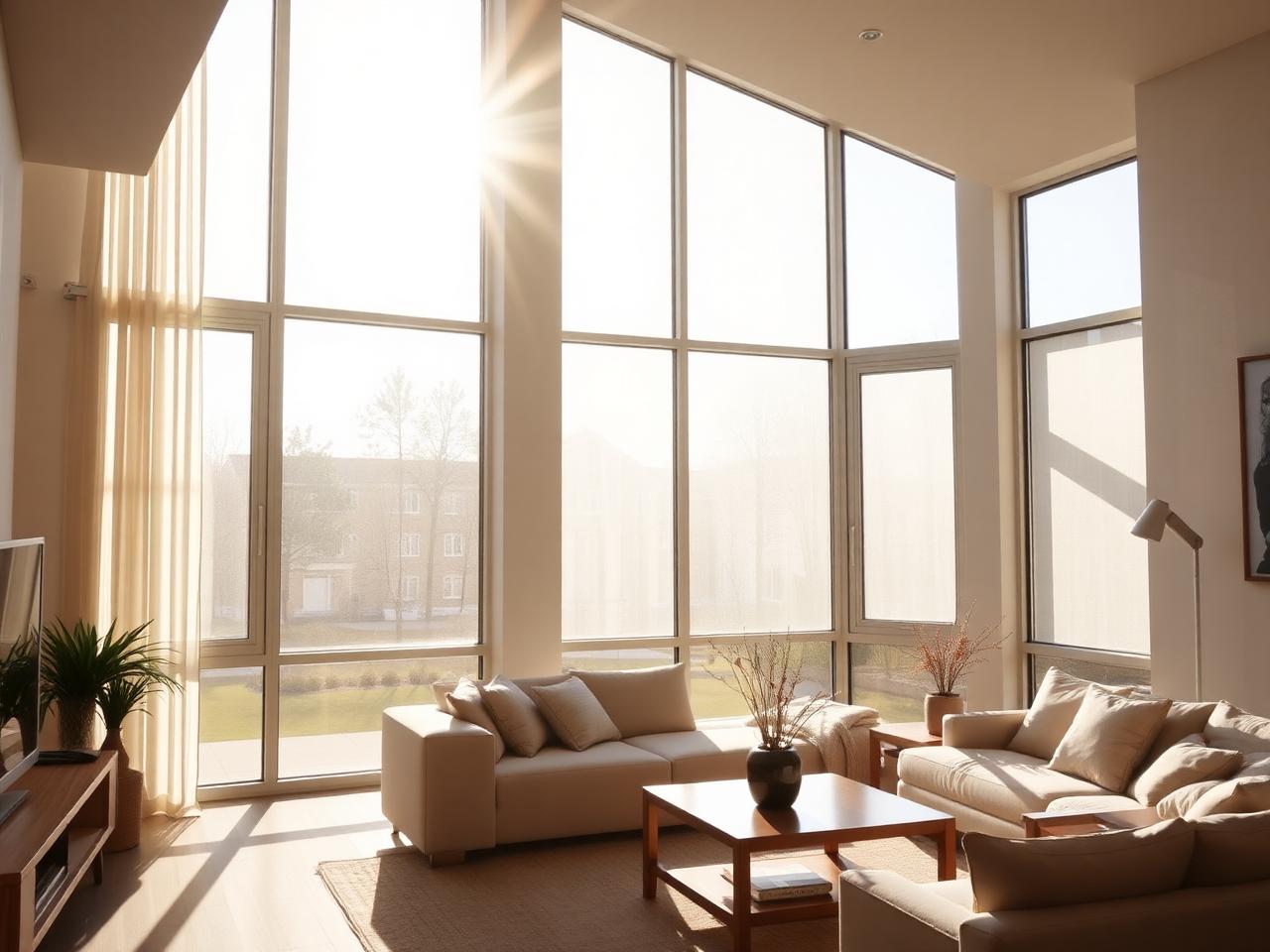
Window Film vs Double Glazing in Melbourne
Melbourne homeowners upgrading their windows face a common choice: retrofit double glazing or install high-performance 3M Low-E window film. Both improve thermal comfort, but they differ dramatically in cost, disruption and performance. This guide breaks down the numbers so you can make an informed decision.
Features & Benefits
- Window film costs 60–80% less than double-glazing retrofits for the same glazing area
- Professional film installation takes hours, not days or weeks — no builders, trades or mess
- 3M Low-E films improve U-Values by up to 40% and reject up to 79% of solar heat (TSER)
- Double glazing requires new frames and glass; film works on existing single-pane windows
- Film preserves heritage and aluminium window frames that double glazing would replace
- 3M Thinsulate and Low-E films are WERS rated for Australian climate zones
- Comprehensive 3M warranty backed by accredited Melbourne installers
Cost comparison
Retrofitting double glazing in a typical 3-bedroom Melbourne home costs $12,000–$25,000+, including new frames, glass, removal and reinstallation. 3M Low-E window film for the same glazing area typically costs $2,500–$5,500 installed. For landlords, renovators or anyone watching the budget, film delivers comparable thermal gains at a fraction of the price.
Installation time & disruption
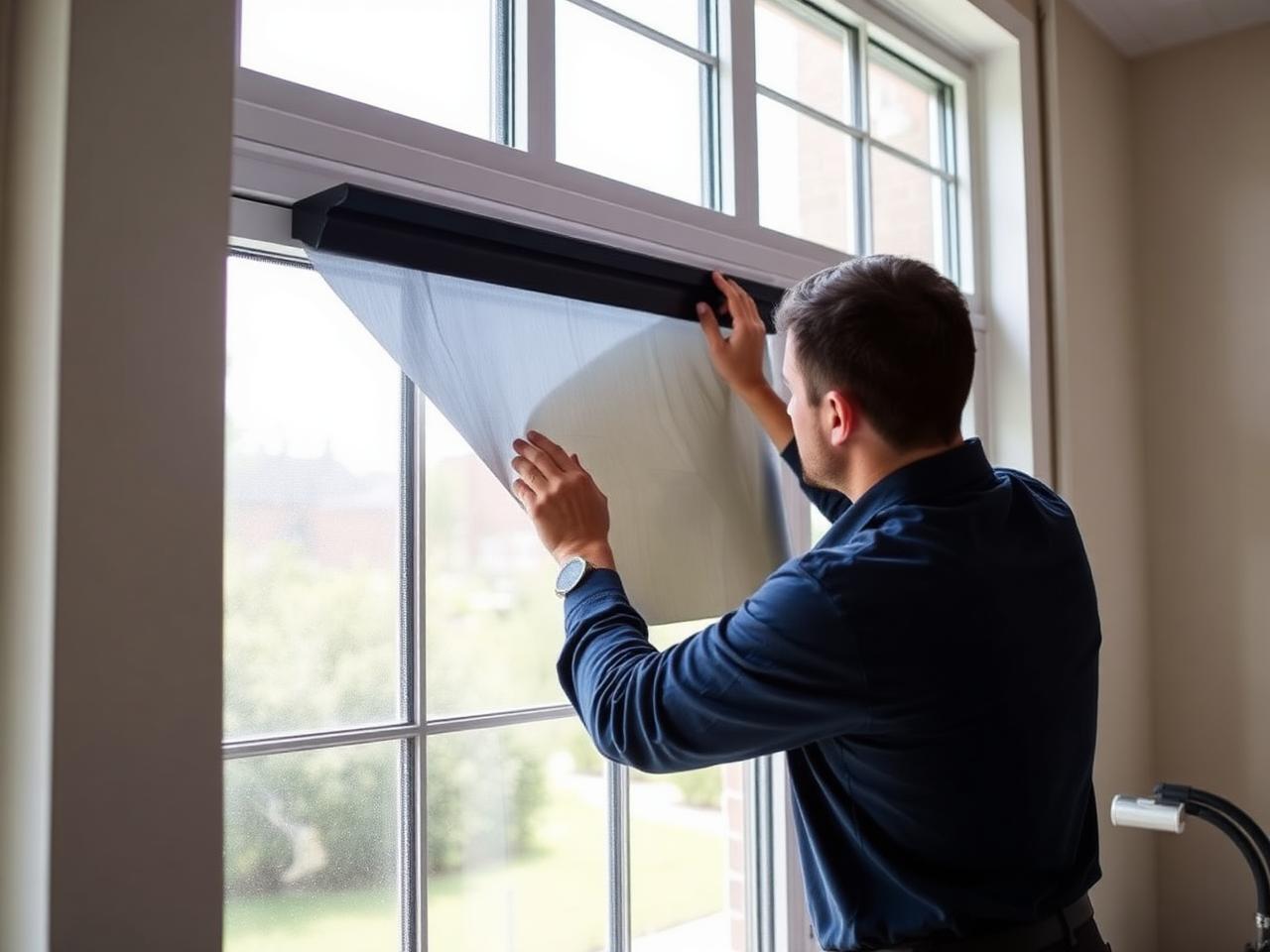
Double glazing retrofits require removal of existing frames, ordering custom glass units, multiple trades and often scaffolding. The process takes weeks and leaves your home exposed. Window film installation is completed in a single day by accredited 3M installers — no mess, no structural changes and minimal disruption to daily life.
Thermal performance — U-Value & TSER
3M Thinsulate and Low-E films are designed to improve winter insulation and summer heat rejection. Selected films improve the U-Value of single glazing by up to 40%, meaning less heat escapes in winter. Total Solar Energy Rejection (TSER) reaches up to 79% on premium films, significantly reducing cooling loads in summer. Double glazing improves U-Value too, but high-performance films often match or exceed the solar heat gain reduction at a lower cost.
When is double glazing the better choice?
Double glazing excels in extreme cold climates and new builds where frames are being installed anyway. It also provides modest acoustic benefits. However, for existing Melbourne homes with functional frames — especially heritage, timber or aluminium windows — film is usually the smarter, faster and more affordable upgrade.
Frequently Asked Questions
Does window film work as well as double glazing for keeping heat out?
For solar heat gain, yes. High-performance 3M films can reject up to 79% of solar energy (TSER), often outperforming standard double glazing in summer. For winter insulation, double glazing has a slight edge, but 3M Low-E films still improve single-pane U-Values by up to 40% at a fraction of the cost.
Can I install window film on double-glazed windows?
Yes, but care is needed. Some films are not compatible with certain double-glazed units because they can increase thermal stress on the inner pane. Our accredited 3M installers assess the existing glass and recommend compatible films to avoid seal failure or stress cracking.
Is 3M Thinsulate the same as Low-E film?
3M Thinsulate is a specific Low-E (low emissivity) film product line. It reflects interior heat back into the room during winter while rejecting exterior heat in summer. It is WERS rated and one of the most effective retrofit options for Melbourne's variable climate.
Will window film change the appearance of my windows?
Modern 3M Low-E and Thinsulate films are designed for low reflectivity and high optical clarity. From inside, the view remains clear with a subtle neutral tint. From outside, the change is minimal — far less noticeable than reflective solar films.
How long does window film last compared to double glazing?
3M window films carry warranties up to 10–15 years depending on the product line, and many installations outlast that. Double-glazing units can last 20+ years, but seals may fail earlier (10–15 years), causing fogging between panes. Film is also easier and cheaper to replace if needed.
Related resources
3M™ Night Vision
Enjoy enhanced views, savings and comfort with 3M™ Sun Control Window Film Night Vision™ Series.

3M™ Prestige
Let in the light, not the heat. Superior comfort and clarity with 3M™ Sun Control Window Film Prestige Series.
3M™ Di-Noc Finishes
Bring your design vision to life with 500+ patterns and textures, wood, metal, stone, leather and more.
Get Your Free Quote Today
No pressure, no commissioned salespeople, just transparent advice from Melbourne's 3M Platinum Select Partner experts.