

What Glass Types Can Be Tinted?
Almost all glass can take window film — including double glazing — but not every film suits every pane. Getting the match right is the difference between a 20-year installation and a thermally stressed, cracked window.
Features & Benefits
- Standard annealed, toughened and laminated glass can all be filmed with the right product
- Double-glazed units (IGUs) can be filmed, but only with films rated for sealed units
- Thermal stress, not the film itself, is what cracks incorrectly filmed glass
- Film choice depends on glass type, thickness, tint, orientation and shading
- Film manufacturers publish glass-compatibility charts we work to on every job — not just 3M
- Getting the match wrong can void both the film and the glazing warranty
Standard annealed glass
Ordinary float or annealed glass is the most forgiving substrate and accepts the widest range of films, including high-absorption solar products. It is also the weakest glass type, which is exactly why safety and security film is so often specified on older Melbourne homes — the film holds the fragments together if the pane is broken.
Toughened (tempered) glass
Toughened glass is heat-treated to be several times stronger than annealed and to break into small blunt pieces. It handles thermal stress very well, so it accepts almost any film. The practical considerations are cosmetic: toughened panes often have slight roller-wave distortion, and any surface imperfection is more visible once a reflective film is applied.
Laminated glass
Laminated glass already has an interlayer bonding two panes together, so it retains fragments on breakage. It can be filmed for solar, glare and UV control, and is common in apartments and balustrades. Because laminate absorbs more solar energy than clear float, high-absorption films need checking against the manufacturer's chart before they go on.
Double glazing and IGUs
Yes, double-glazed units can be filmed — this is one of the most common questions we get. The caveat is that a sealed unit traps heat between the panes, so applying a high-absorption film to the inner surface can raise the temperature of the cavity and stress the pane or the edge seal if the inner pane is not toughened. 3M rates specific films as safe for use on IGUs, and those are the only products we will put on a sealed unit. External film is often utilised with IGUs as an alternative where an internal film is not suitable.
Why thermal stress matters
Glass breaks from thermal stress when one part of a pane is much hotter than another — typically a sun-struck centre against a cool shaded edge under a frame. Film increases solar absorption, so it raises that differential. Determining the type of glass is the first and most important step: annealed, toughened, laminated and IGU glass each tolerate different levels of absorbed heat, so a film that is safe on one pane can crack another. That is why we assess orientation, shading from eaves and neighbouring buildings, pane size, glass thickness, existing tint and frame type before recommending a product. It is also why a film that is perfect on one window of a house can be wrong on the next.
Warranty considerations
3M film carries a manufacturer warranty against bubbling, peeling, cracking and excessive colour change — up to 15 years on commercial installs and lifetime on residential 3M film. Every job is registered directly with 3M Australia in your name. The warranty covers the film's performance and our workmanship, not glass breakage itself, which is standard across film manufacturers; neither 3M nor we can rule out pre-existing or latent issues in your glass. This is exactly why we run the 3M Warranty Pre-Qualification check on your exact glass make-up and only quote film rated safe for it, so the film itself should not be the cause of any breakage.
Related services
Residential window tinting
Pane-by-pane film selection for homes, including toughened, laminated and double-glazed windows.
All-season (Low-E) window film
The usual recommendation where double glazing or winter heat loss is the underlying issue.
Commercial window tinting
Curtain wall, IGU and laminated facade glass assessed against 3M compatibility data before install.
Frequently Asked Questions
Can window film be applied to double glazing?
Yes, provided the film is rated for use on insulated glass units. Sealed units are sensitive to absorbed heat, so only specific 3M films are approved for them — we check the compatibility chart for your exact glass before quoting.
Can toughened glass be tinted?
Yes. Toughened glass handles thermal stress well and accepts virtually any film. The main considerations are cosmetic rather than structural.
Can laminated glass be tinted?
Yes, for solar, glare and UV control. Because laminate already absorbs more solar energy, high-absorption films need to be checked against the manufacturer's chart first.
Can the wrong film crack my window?
It can. Thermal stress fracture happens when a film raises solar absorption beyond what the glass, its size and its shading can tolerate. Correct film-to-glass matching is exactly what prevents it.
How do you know which film suits my glass?
During the free assessment we identify the glass type and thickness, note orientation, shading and frame details, then match against the manufacturer's published glass-compatibility data for the film we are recommending before confirming a product.
Related resources

Window Film vs Double Glazing
Comparing cost, installation time and thermal performance of 3M All-Season window films versus double-glazing retrofits for Melbourne homes.

Will Window Tinting Affect My WiFi, Mobile Signal or TV Reception?
The straight answer on whether window film blocks WiFi, mobile or TV reception — and why non-metallised 3M film behaves differently to older metallised films.
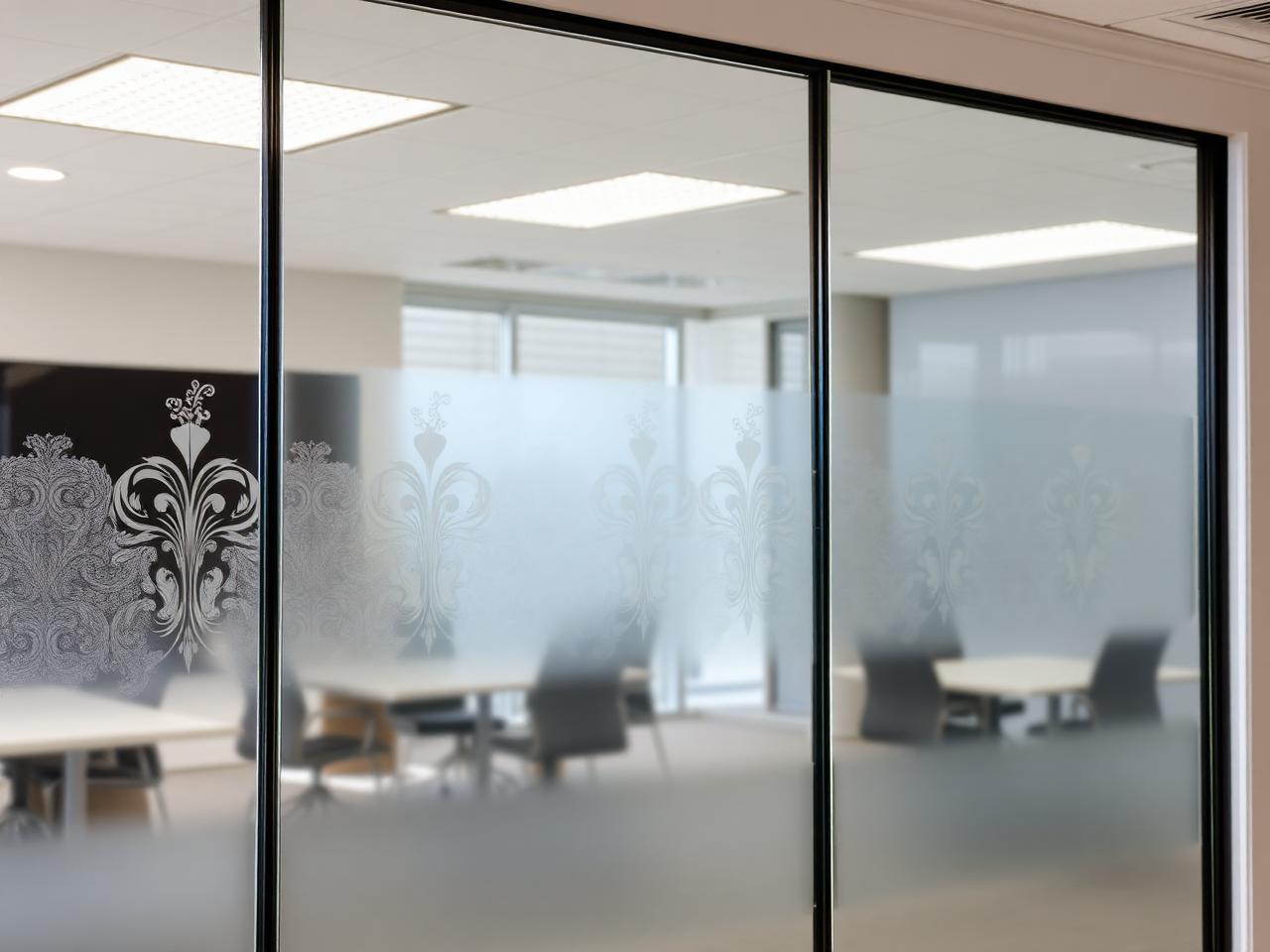
One-Way vs Frosted Film
One-way (reflective) film and frosted (decorative) film both add privacy — but they work in very different ways. Here's when to choose each for Melbourne homes and offices.
Get Your Free Assessment Today
No pressure, no commissioned salespeople, just transparent advice from Melbourne's 3M Platinum Select Partner experts.