

How to Clean Window Film Without Damaging It
Professionally installed window film is durable and easy to look after — but the first month matters, and a couple of common cleaning habits will ruin an otherwise perfect installation. Here's exactly how we tell our Melbourne clients to clean their filmed glass.
Features & Benefits
- Wait at least 30 days after installation before cleaning — security film can take longer
- Use a soft microfibre cloth or a clean rubber squeegee, never paper towel or scourers
- Mild soapy water is all you need — a few drops of dish soap in warm water
- Avoid ammonia-based cleaners (most blue glass sprays), abrasives and razor blades
- Light haze and small water pockets in the first weeks are normal and clear on their own
- Cleaned properly, quality 3M film stays clear for its full manufacturer warranty period
Wait out the cure period — at least 30 days
When film is installed, a thin layer of mounting solution is left between the film and the glass. That moisture evaporates through the film over roughly 30 days, and until it has fully gone the adhesive has not reached its final bond. Cleaning, pressing or rubbing the film during that window can shift it, lift an edge, or leave a permanent crease. Treat 30 days as a minimum rather than a fixed date: thicker safety and security films carry far more adhesive and a heavier laminate, so they commonly take longer than a month to fully cure, and cold or overcast Melbourne weather stretches it out further on any film. Leave the glass alone for that period — including not wiping down the filmed side — and it will cure to a hard, glass-like finish.
What normal curing looks like
In the first days you may see a slight haze, faint milkiness, or small water pockets that look like bubbles. That is trapped moisture, not a fault, and it clears as the film dries — faster in summer, slower through a cold Melbourne winter. What is not normal is a large air bubble with a hard edge, a lifting corner, or debris trapped under the film. The industry benchmark for what is and is not acceptable in a finished installation is the WFAANZ Visual Quality Standards for architectural window film, which set out how film should be assessed for imperfections, viewing distance and lighting conditions. We install to that standard, so if you see something after the cure period that falls outside it, call us and we will inspect it under warranty.
The safe cleaning method
Mix a few drops of mild dish soap into warm water. Wet the glass generously with a soft cloth or spray bottle, wipe with a clean microfibre cloth, then dry with a rubber-bladed squeegee or a second dry microfibre. Work top to bottom and change cloths when they get gritty. Grit is the real enemy — most scratches we see come from dirt dragged across the film by a reused cloth, not from the cleaner itself.
Products and tools to avoid
Ammonia-based cleaners (most supermarket blue glass sprays) break down the film's adhesive and scratch-resistant coating over time, causing purpling and edge lift. Also avoid abrasive creams, magic-eraser style pads, steel wool, scourers, razor blades and window scrapers. Never use a pressure washer on filmed glass, and keep sharp objects, vacuum wands and heavy blinds hardware from tapping the surface.
How often is enough
For most homes, cleaning filmed glass when you would normally clean the windows — every few months — is plenty. Commercial shopfronts with street-facing glass usually get done on the building's regular cleaning cycle; if a contractor does it, tell them the glass is filmed and to skip the ammonia and blades. We are happy to give cleaning crews a written care sheet on request.
What the warranty covers
3M films installed by an authorised installer carry a manufacturer warranty against bubbling, peeling, cracking and excessive colour change. Damage caused by abrasive or ammonia-based cleaning is not covered, which is the main reason we labour the point. Follow the method above and the film should outlast most of the other finishes in the room.
Related services
Frequently Asked Questions
How long should I wait before cleaning newly tinted windows?
At least thirty days. The mounting solution used during installation needs time to evaporate through the film and the adhesive needs time to reach full bond. Thicker security and safety films can take longer than a month, as can cold weather. Cleaning earlier risks lifting an edge or creasing the film.
Can I use Windex or other glass cleaner on window film?
Avoid any cleaner containing ammonia, which includes most standard blue glass sprays. Ammonia degrades the film's adhesive and scratch-resistant coating. Mild soapy water and a microfibre cloth clean filmed glass just as well.
Why does my new window film look hazy or have small bubbles?
That is trapped mounting solution and it is normal during the cure period. It clears within about 30 days, sometimes longer in cold weather. Large hard-edged bubbles, lifting corners or trapped debris are not normal — contact us and we will inspect it.
Can I use a squeegee on tinted windows?
Yes, provided the blade is clean, soft rubber and the glass is wet. Never drag a dry squeegee, and never use a metal-edged scraper or blade on filmed glass.
Does cleaning wear the film out?
Not when done correctly. Quality film has a hard scratch-resistant coating designed for regular cleaning. Wear comes from abrasive pads, grit in the cloth and ammonia — all avoidable.
Related resources

Window Film vs Double Glazing
Comparing cost, installation time and thermal performance of 3M All-Season window films versus double-glazing retrofits for Melbourne homes.

Will Window Tinting Affect My WiFi, Mobile Signal or TV Reception?
The straight answer on whether window film blocks WiFi, mobile or TV reception — and why non-metallised 3M film behaves differently to older metallised films.
One-Way vs Frosted Film
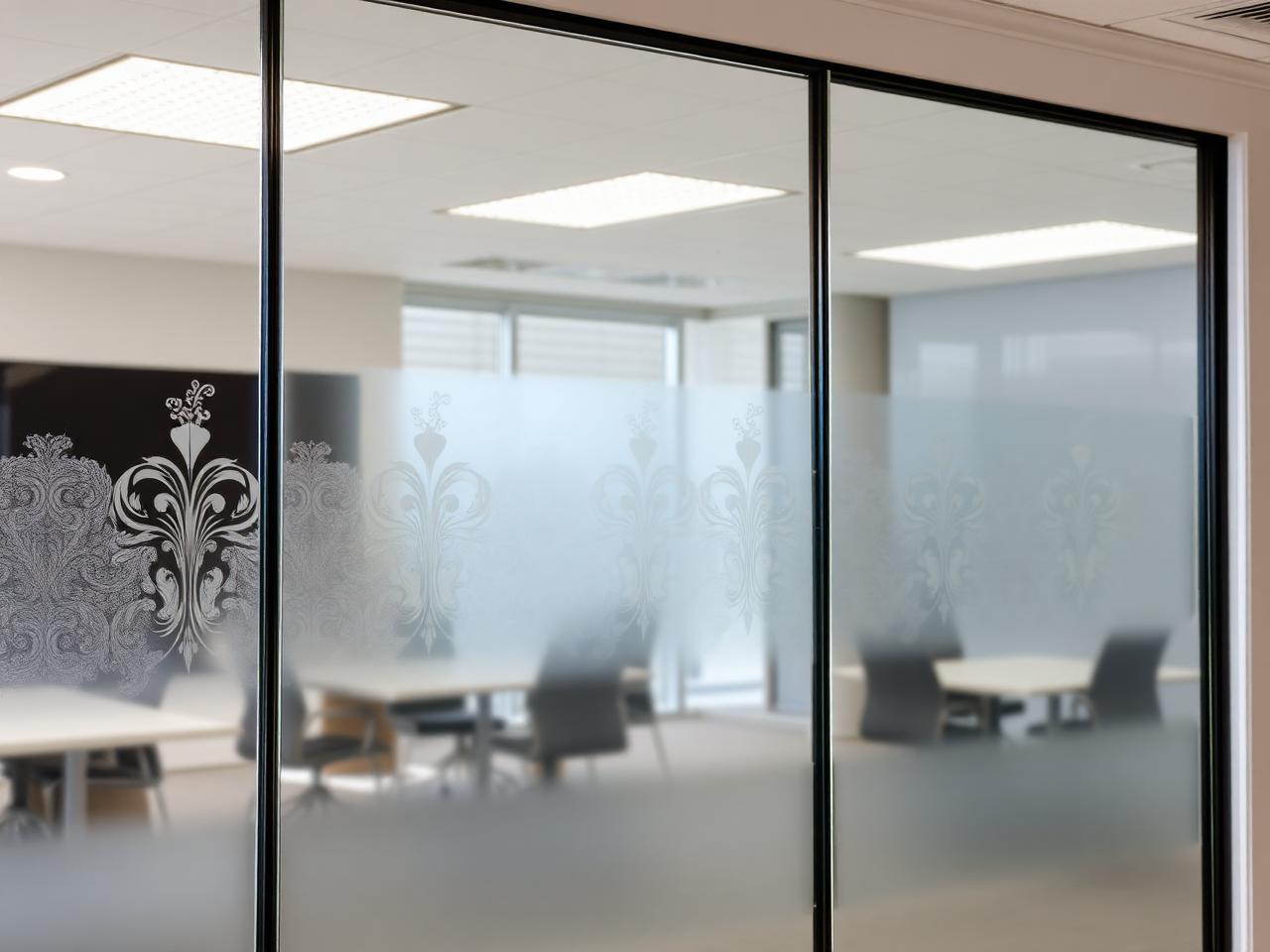
One-way (reflective) film and frosted (decorative) film both add privacy — but they work in very different ways. Here's when to choose each for Melbourne homes and offices.
Get Your Free Assessment Today
No pressure, no commissioned salespeople, just transparent advice from Melbourne's 3M Platinum Select Partner experts.