

Will Window Film Make My Rooms Dark?
It is the question we are asked more than any other, and the honest answer is: only if you choose a dark film. Modern high-performance films can reject most of the heat while barely changing how bright the room feels.
Features & Benefits
- VLT (Visible Light Transmission) is the number that determines brightness — not heat rejection
- Clear films at 70%+ VLT are barely perceptible from inside yet reject a large share of infrared heat
- Darkness and performance are separate: a premium clear film can outperform a cheap dark one
- Glare reduction does require some light reduction — the trade-off is small and usually welcome
- Frosted and decorative films diffuse the view but keep the daylight
- We will show you samples so you can visually see what the film looks like against your glass
What VLT actually means
Visible Light Transmission is the percentage of visible light that passes through the glass and film together. A film at 70% VLT lets through most of the daylight and reads as essentially clear from inside; a 15% VLT film is a genuinely dark tint. Every film we quote has a published VLT, so brightness is a specification you choose, not a surprise you discover after installation.
Why clear films can still block heat
Heat and light are different parts of the solar spectrum. Multi-layer optical films such as 3M Prestige are engineered to reflect infrared — the part you feel — while passing visible light. That is how a film that looks almost invisible can reject up to 97% of infrared heat. Older dyed films had no way to do this: the only way they cut heat was by cutting light, which is where the assumption that tinting means darkness comes from.
Room by room, what to expect
North and west-facing living areas usually get the biggest benefit and tolerate a slightly lower VLT, because they are the rooms with painful afternoon glare. South-facing rooms are already darker and are best left clear or near-clear. Kitchens and home offices generally want maximum light with glare control. Bedrooms are the one place clients sometimes choose a darker or reflective film deliberately, for daytime privacy and sleep.
Privacy changes the answer
If privacy is the goal rather than heat, some light reduction is unavoidable — reflective films work by being brighter on one side than the other, and frosted films diffuse the view. Frosting is often the better compromise for bathrooms and street-facing rooms, since it obscures the view completely while still filling the room with daylight.
How night-time looks
Reflective films behave differently after dark: once the inside is brighter than the outside, the mirror effect reverses and you see your own reflection. Non-reflective ceramic and multi-layer films avoid this, which is why we recommend them for rooms you use in the evening with a view worth keeping.
See it before you commit
During a free assessment we will show you samples so you can visually see what the film looks like against your glass, in your own light, and judge the change in person rather than from a brochure. It takes ten minutes and it settles the question for almost every client who was worried about darkness.
Frequently Asked Questions
Will window tinting make my house dark?
Not unless you choose a dark film. High-performance clear films at 70% or higher VLT are barely noticeable from inside while still rejecting the majority of infrared heat.
Is a darker tint better at blocking heat?
Not necessarily. Heat rejection depends on the film's construction, not its shade. A premium near-clear multi-layer film can outperform a cheap dark dyed film.
What VLT should I choose for a living room?
Most Melbourne living rooms land between 40% and 70% VLT depending on orientation and how much glare you want removed. West-facing rooms usually justify a lower number.
Will I still be able to see out?
Yes. Solar control films preserve the view — many clients say the view looks better because the glare is gone. Frosted and decorative films are the exception; they obscure the view by design.
Can I see the film samples first?
Yes. We bring samples to the free assessment and show them to you so you can visually see what the film looks like against your glass before deciding.
Related resources
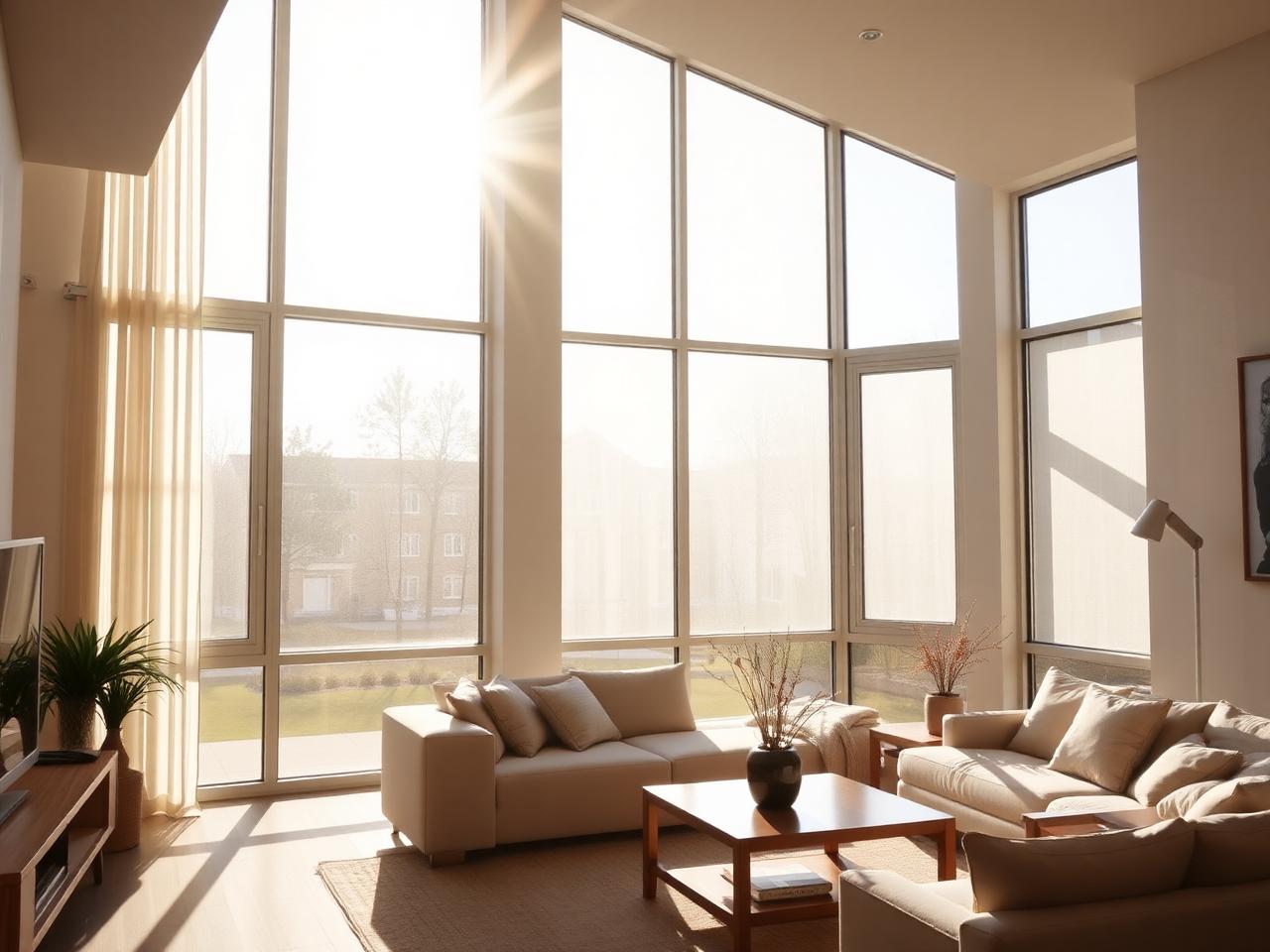
Window Film vs Double Glazing
Comparing cost, installation time and thermal performance of 3M All-Season window films versus double-glazing retrofits for Melbourne homes.

Will Window Tinting Affect My WiFi, Mobile Signal or TV Reception?
The straight answer on whether window film blocks WiFi, mobile or TV reception — and why non-metallised 3M film behaves differently to older metallised films.
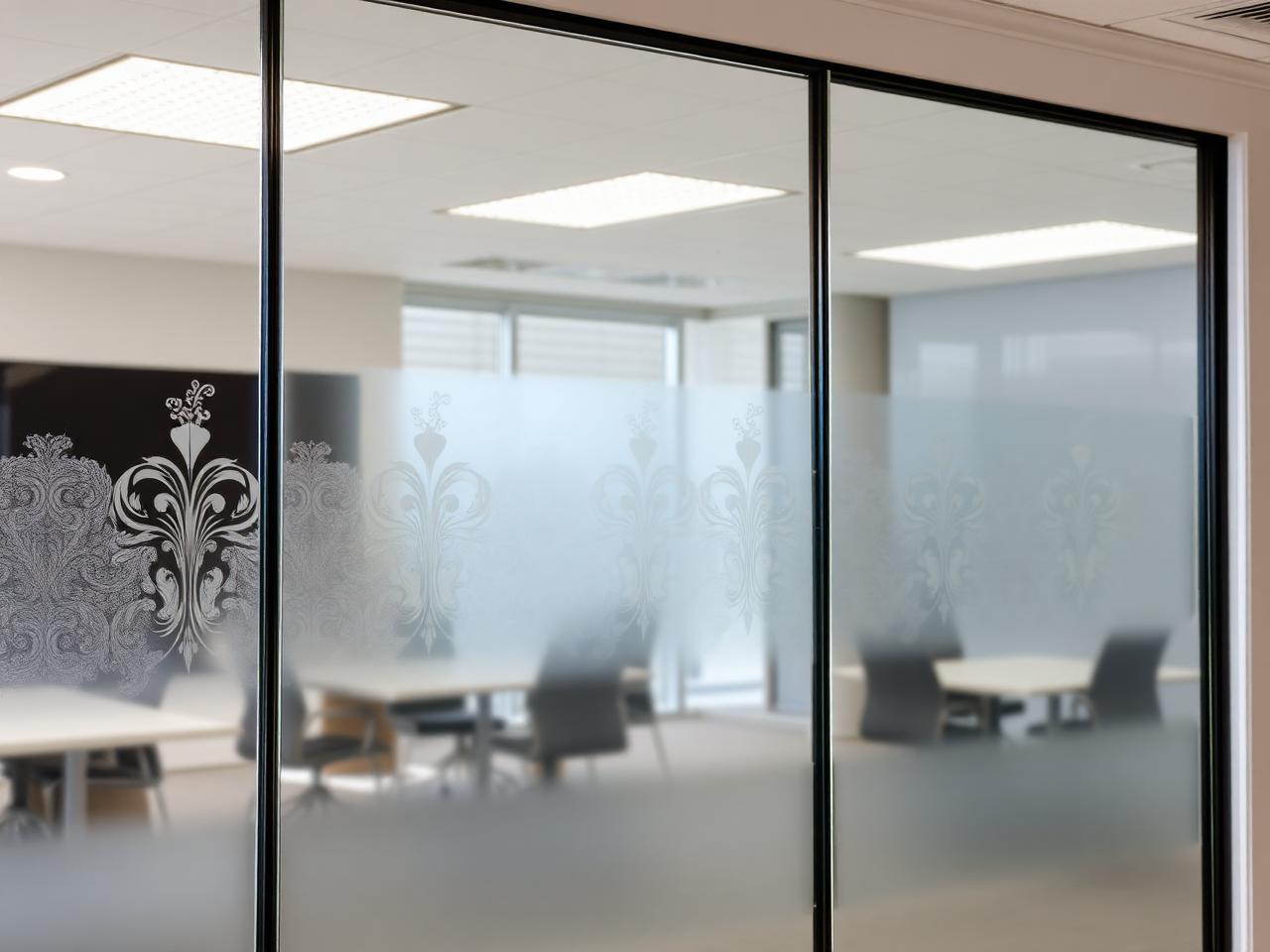
One-Way vs Frosted Film
One-way (reflective) film and frosted (decorative) film both add privacy — but they work in very different ways. Here's when to choose each for Melbourne homes and offices.
Get Your Free Assessment Today
No pressure, no commissioned salespeople, just transparent advice from Melbourne's 3M Platinum Select Partner experts.